


Association of Sphingolipids with All-Cause and Cardiovascular Death in Patients with Kidney Failure Treated with Maintenance Hemodialysis

Association of Sphingolipids with All-Cause and Cardiovascular Death in Patients with Kidney Failure Treated with Maintenance Hemodialysis

Lidgard, Benjamin; Hoofnagle, Andrew; Zelnick, Leila; de Boer, Ian; Jensen, Paul; Fretts, Amanda; Siscovick, David; Umans, Jason; Bansal, Nisha; Lemaitre, Rozenn
Background:
Patients with kidney failure on hemodialysis are at a higher risk for death, especially cardiovascular death. Statins (which improve outcomes in general populations) do not improve outcomes in dialysis patients. Sphingolipids are mechanistically associated with cardiovascular disease and may represent novel, modifiable risk factors for death in patients with kidney failure. We aimed to examine the associations of sphingolipids with death specifically in dialysis patients.
Methods:
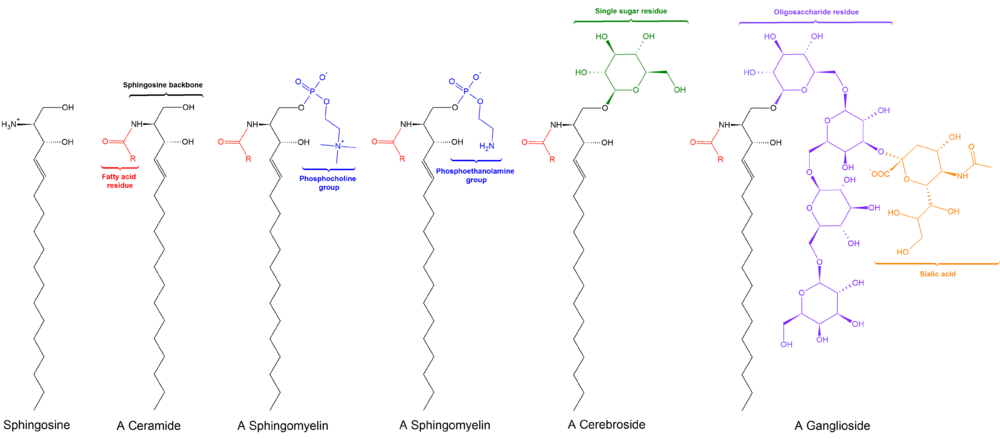
Using data from the Hemodialysis trial (a multicenter factorial trial of dose and flux), we measured sixteen sphingolipids (ceramides-16:0, 18:0, 20:0, 22:0, 24:0, and 24:1; hexosylceramides-16:0, 22:0, and 24:0; lactosylceramide-16:0; and sphingomyelins 14:0, 16:0, 18:0, 20:0, 22:0, and 24:0) at baseline only in 927 participants with available stored serum using targeted liquid chromatography-tandem mass spectrometry. The primary outcome was all-cause death, with physician-adjudicated cause (cardiovascular versus non-cardiovascular) as a secondary outcome. We examined the associations of sphingolipids with death using Cox regressions, controlling the false discovery rate <5%.
Results:
Among 927 participants, the mean (SD) age was 57 (14) years; median (IQR) dialysis vintage was 1.9 (0.8, 4.1) years. Over a median (IQR) follow-up of 2.4 (1.4, 4.0) years, there were 376 deaths. Nine of sixteen sphingolipids were significantly associated with death, including ceramide-16:0 (adjusted hazard ratio (aHR) 2.13 per two-fold higher concentration, 95% CI 1.48, 3.06), and ceramide-22:0 (aHR per two-fold higher 0.59, 95% CI 0.44, 0.79), with similar direction of associations for sphingomyelins. Twelve of sixteen sphingolipids were associated with cardiovascular death; for example, ceramide-16:0 [aHR per two-fold higher 3.43 (2.05, 5.74)]. No sphingolipid was significantly associated with non-cardiovascular death.
Conclusions:
In a dedicated study of patients with kidney failure on hemodialysis, sphingolipids with long-chain fatty acids were strongly associated with greater risk of death, especially cardiovascular death.
Copyright © 2025 The Author(s). Published by Wolters Kluwer Health, Inc. on behalf of the American Society of Nephrology